✦ The Second Meditation ✦
The Silence Where God Waits
Second Week of the Great Fast
A strange thing has happened to the modern world.
We have never been more connected, and yet we have never felt more alone.
Phones glow late into the night in bedrooms across the world. Blue light fills the darkness. Thousands of voices are speaking all the time - messages, reels, videos, arguments, laughter, news, commentary, noise stacked upon noise upon noise. A person can scroll for hours and never encounter silence even once.And yet beneath all of it there is a quiet ache that many young people know too well. Loneliness. Not the kind that comes from being physically alone. That kind can even be beautiful. The loneliness that so many people carry today is something deeper …a feeling of being unseen, unheld, suspended somehow outside of real belonging.
You can sit in a room with friends and still feel it. You can be surrounded by people who know your name and still feel strangely unknown. You can fill every empty moment with sound and still feel, at the end of the day, that something essential has not been touched. For many people, that ache slowly hardens into something darker. Depression. An exhaustion of the soul that is difficult to describe to anyone who has not felt it. Not merely sadness, but a kind of heaviness that settles over everything. Colors dim. The future feels distant. Even joy begins to feel like something that belongs to other people.
And so the instinct is to fight the silence. We fill it with podcasts, music, videos, endless conversation, endless motion. Anything to avoid the stillness where that ache might rise to the surface. But here, in the second week of Great Lent, the Church does something unexpected. She tells us that the silence we fear may be the very place where God is waiting.
✦ ✦ ✦
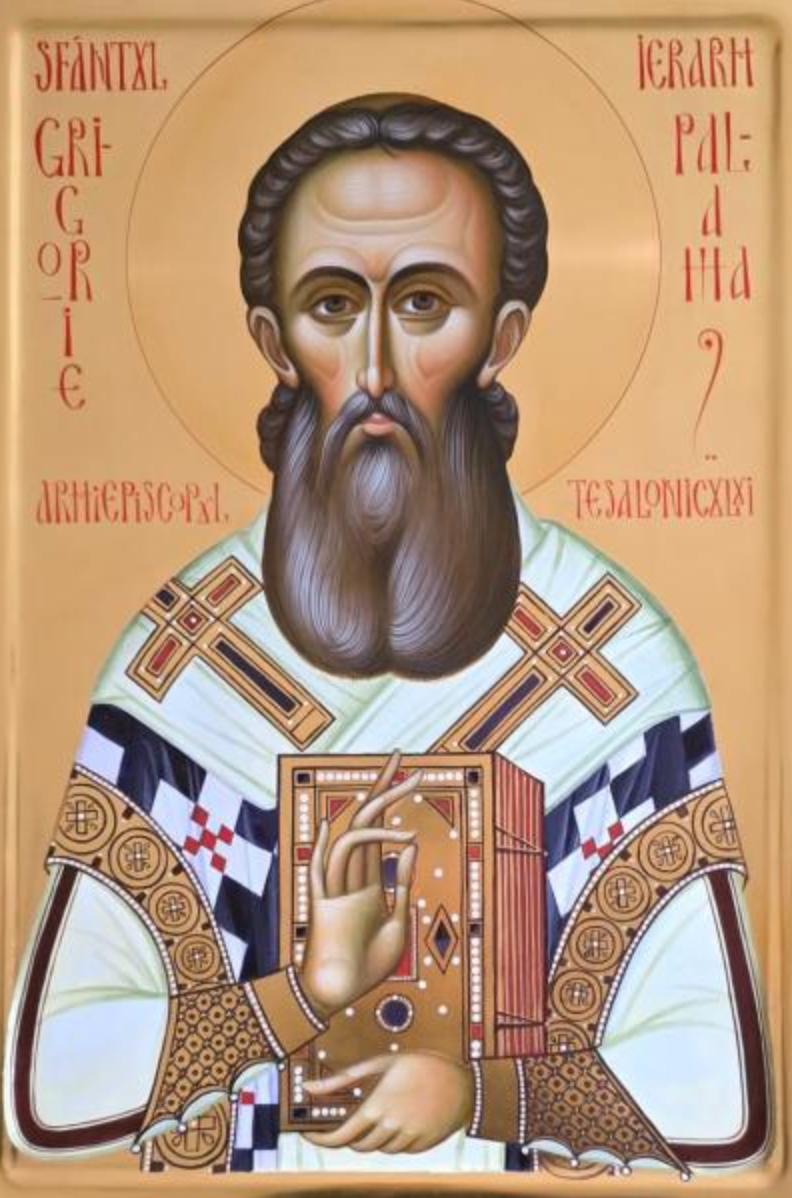
This is the week of St. Gregory Palamas.
A bishop from the fourteenth century who defended a strange and beautiful claim: that God is not only believed in, but experienced. There were monks on Mount Athos who spent long hours in prayer, sitting in stillness and repeating the words: Lord Jesus Christ, Son of God, have mercy on me, a sinner. They called this stillness hesychia.
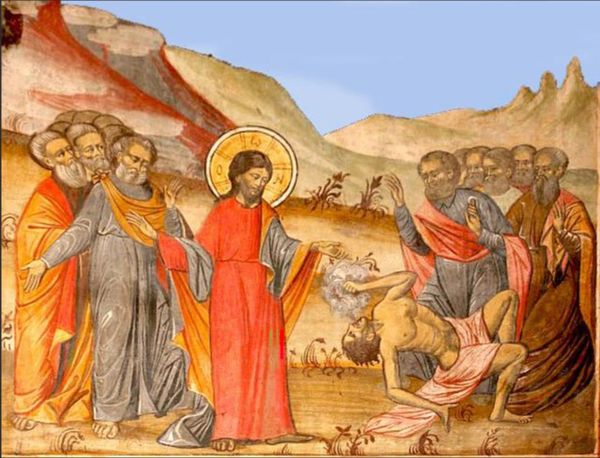
Silence of the heart. Critics accused them of delusion. How could human beings claim to encounter God in prayer? Was this not arrogance? Was it not imagination? Palamas answered with a calm certainty that still echoes across centuries. Human beings were created for communion with God. Not merely to think about Him. Not merely to speak about Him. But to participate in His life. The saints, he said, encounter the uncreated light — the same divine light that shone from Christ on Mount Tabor.Not because they are extraordinary people, but because the human soul was always meant to become radiant. This is the scandalous hope at the center of Orthodoxy:
God is not distant.
God is not abstract.
God is not merely an idea.
God is present.
And the door to that presence is often silence.
✦ ✦ ✦
But silence is frightening for us. Because when the noise fades, we begin to hear the things we have been trying not to hear. Our fears. Our regrets. Our loneliness. The quiet suspicion that something in our lives is not quite aligned. Many young people live with these questions pressing just beneath the surface.
Am I enough?
Will anyone truly know me?
Will my life matter?
We look around and see a world moving faster and faster. Everyone seems to be building something, achieving something, becoming something. Careers, brands, identities carefully assembled and displayed. And yet inside, many feel strangely hollow. As if the soul is hungry for something that success cannot feed.
St. Gregory Palamas would say that this hunger is not a flaw. It is a signal. The soul was made for God. And when it tries to live without Him, it begins to ache in ways that no amount of distraction can fully soothe.
✦ ✦ ✦
The Jesus Prayer is almost absurdly simple.
Lord Jesus Christ, Son of God, have mercy on me.
Just those words. Again and again. Quietly. Breathing them. Carrying them. Letting them sink from the lips into the mind, and from the mind into the heart.
At first, it can feel like nothing is happening. The world still feels loud. The thoughts still race. The distractions still pull at the edges of the mind. But slowly, something begins to shift. The noise loosens its grip. The heart becomes a little softer.
And in that small space of stillness, something unexpected begins to appear. Not fireworks. Not visions. Something gentler. Peace. A warmth that does not come from outside circumstances. A quiet awareness that you are not alone in the silence after all. That Someone has been there the entire time. Waiting.
✦ ✦ ✦
This is what the Fathers knew. That the deepest loneliness of the human heart is not solved by more noise, more connection, more stimulation. It is healed by encounter. And encounter requires stillness. Which is why the Church places this teaching in the middle of Lent.
After the first week of repentance, after the bows and forgiveness of Cheesefare Sunday, the Church whispers something astonishing: Now be still.
Because in that stillness, beneath the ache and the restlessness and the fear, the human soul may begin to rediscover what it was created for. Communion. Light. God Himself. And perhaps that is why the saints speak of hesychia not as emptiness, but as fullness. Silence not as absence, but as presence. Because sometimes the quiet we fear most is the very place where God has been waiting all along.